
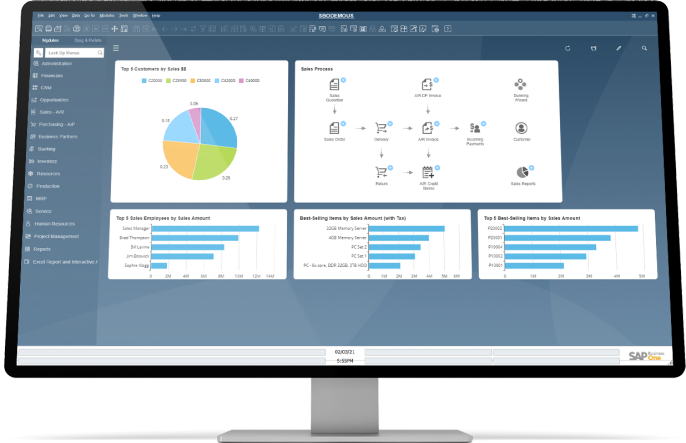
Choosing the right ERP system is one of the most critical decisions for growing businesses. With dozens of ERP solutions available, companies often struggle to decide which platform best fits their size, industry, and growth plans.
Among these options, SAP Business One (SAP B1) consistently stands out for small and mid-sized enterprises. But how does it compare with other ERP systems in the market?
In this blog, we’ll break down SAP Business One vs other ERP solutions, comparing features, scalability, cost, and suitability—so you can make a confident, informed decision.
What Is SAP Business One?
SAP Business One is an integrated ERP solution designed specifically for small and mid-sized businesses (SMBs). It helps organizations manage core business functions such as finance, sales, purchasing, inventory, production, and CRM—all within a single platform.
Developed by SAP, SAP Business One combines enterprise-grade reliability with flexibility and ease of use, making it a popular ERP choice for fast-growing companies.
Why Businesses Compare SAP B1 With Other ERP Systems
Companies usually compare SAP B1 with:
- Generic ERP tools
- Enterprise ERPs like Oracle
- Cloud ERPs like Microsoft Dynamics
- Industry-specific ERP solutions
The goal is to balance cost, functionality, scalability, and long-term ROI.
SAP Business One vs Generic ERP Systems
Functionality & Integration
Generic ERP systems often offer basic modules, but they may lack deep integration across departments. SAP Business One, on the other hand, provides end-to-end integration—finance, inventory, sales, production, and reporting all work seamlessly together.
Reporting & Analytics
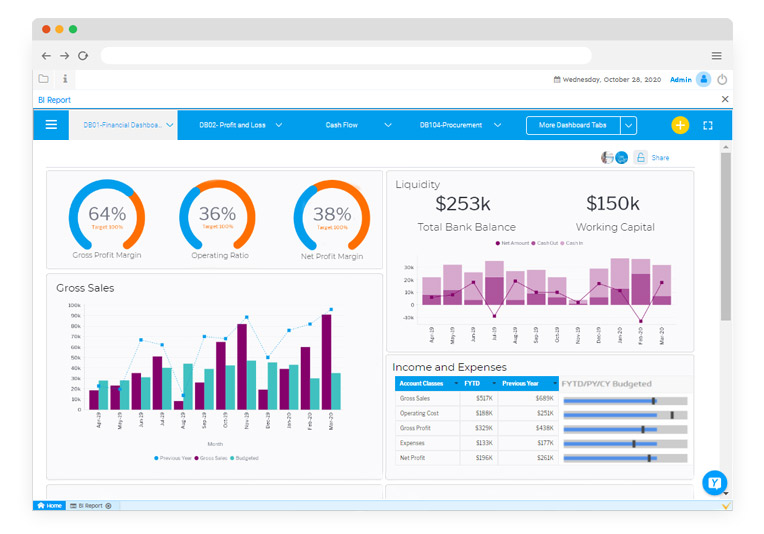
SAP B1 delivers real-time dashboards, financial reports, and operational insights. Many generic ERP systems rely on manual reporting or third-party tools, increasing effort and error risk.
Customization
SAP Business One allows extensive customization through add-ons and APIs, while many generic ERPs struggle to adapt as business processes evolve.
Winner: SAP Business One
Best for businesses that need structure, accuracy, and scalability.
SAP Business One vs Enterprise ERP Solutions
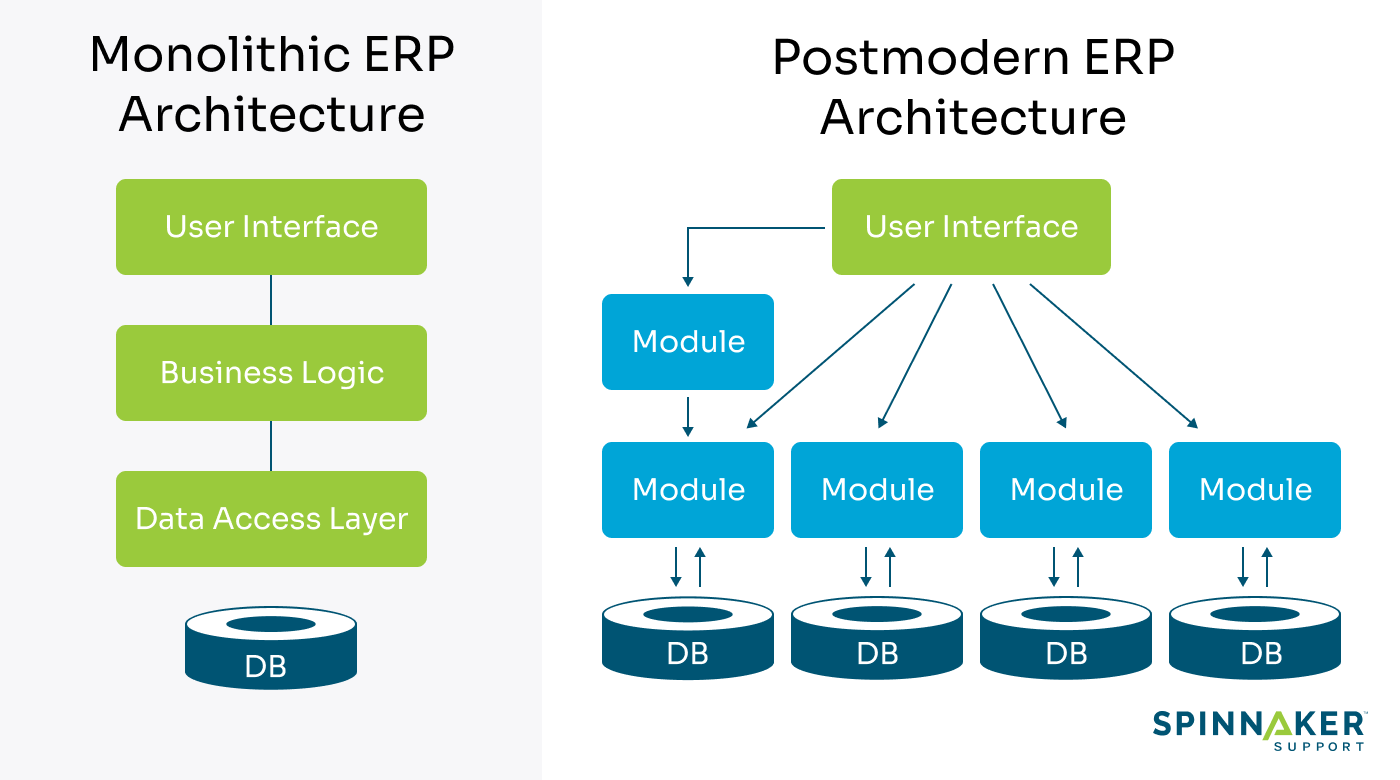
Enterprise ERP systems are powerful—but they’re not always practical for SMBs.
Cost & Implementation
Enterprise ERPs often come with:
- High licensing costs
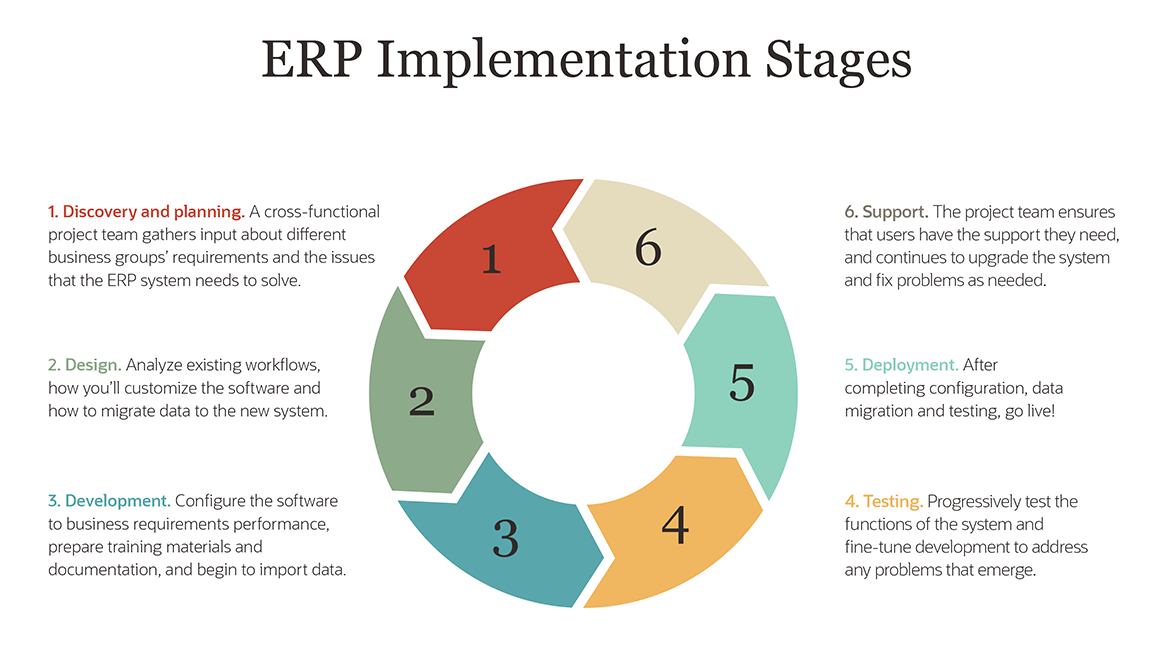
- Long implementation timelines
- Complex configurations
SAP Business One offers lower total cost of ownership and faster implementation, making it ideal for businesses that need results without multi-year rollouts.
Usability
Enterprise ERP platforms can feel overwhelming for smaller teams. SAP B1 is designed with business users in mind, reducing dependency on IT teams.
Scalability
SAP Business One scales smoothly as businesses grow—without forcing a complete ERP replacement.
Winner: SAP Business One
Best for SMBs that want enterprise capabilities without enterprise complexity.
SAP Business One vs Cloud-Only ERP Systems
Cloud ERP solutions are gaining popularity—but they’re not always the best fit for every business.
Deployment Flexibility
SAP Business One offers:
- On-premise
- Cloud
- Hybrid deployment options
Many cloud-only ERPs limit flexibility, especially for businesses with regulatory or data residency requirements.
Industry Depth
SAP B1 is widely used in manufacturing, wholesale distribution, retail, and professional services, with industry-specific add-ons. Cloud-only ERPs may lack deep vertical functionality.
Data Control
SAP Business One gives businesses greater control over data and integrations compared to fully cloud-native ERPs.
Winner: Depends on business needs
SAP B1 is ideal for companies needing flexibility, industry depth, and control.
SAP Business One vs Industry-Specific ERP Solutions
Industry-specific ERPs are built for niche requirements—but they can be limiting.
Long-Term Growth
While vertical ERPs solve immediate needs, they often struggle when businesses diversify or expand. SAP Business One adapts easily across industries and business models.
Ecosystem & Support
SAP’s global ecosystem ensures:
- Regular updates
- Certified partners
- Long-term product roadmap
Many niche ERPs lack long-term innovation and partner support.
Winner: SAP Business One
Best for businesses planning long-term growth and diversification.
Key Advantages of SAP Business One Over Other ERPs
✔ Unified finance, sales, inventory, and operations
✔ Real-time reporting and analytics
✔ Scalable for growing businesses
✔ Lower cost than enterprise ERPs
✔ Strong global partner ecosystem
✔ Flexible deployment options
✔ High data accuracy and compliance readiness
When SAP Business One May Not Be the Best Fit
While SAP Business One is powerful, it may not suit:
- Very large enterprises with complex global operations
- Micro-businesses with minimal ERP needs
- Companies unwilling to invest in proper ERP implementation and training
Final Verdict: Is SAP Business One Better Than Other ERP Systems?
SAP Business One strikes a rare balance between power, flexibility, and affordability. Compared to generic, enterprise, or cloud-only ERP systems, it offers a well-rounded solution that supports both current operations and future growth.
For small and mid-sized businesses looking for a future-ready ERP without unnecessary complexity, SAP Business One remains one of the strongest choices in the ERP landscape.